
Our Blog
 BlogStudy Surprise: Many Bird Species Exposed to “Eye Disease”
A recent press release from the Cornell Lab of Ornithology explains how the bacteria that causes house finch eye disease is found in many species, and not just feeder birds. “The results were shocking,” says André Dhondt, director of Bird…
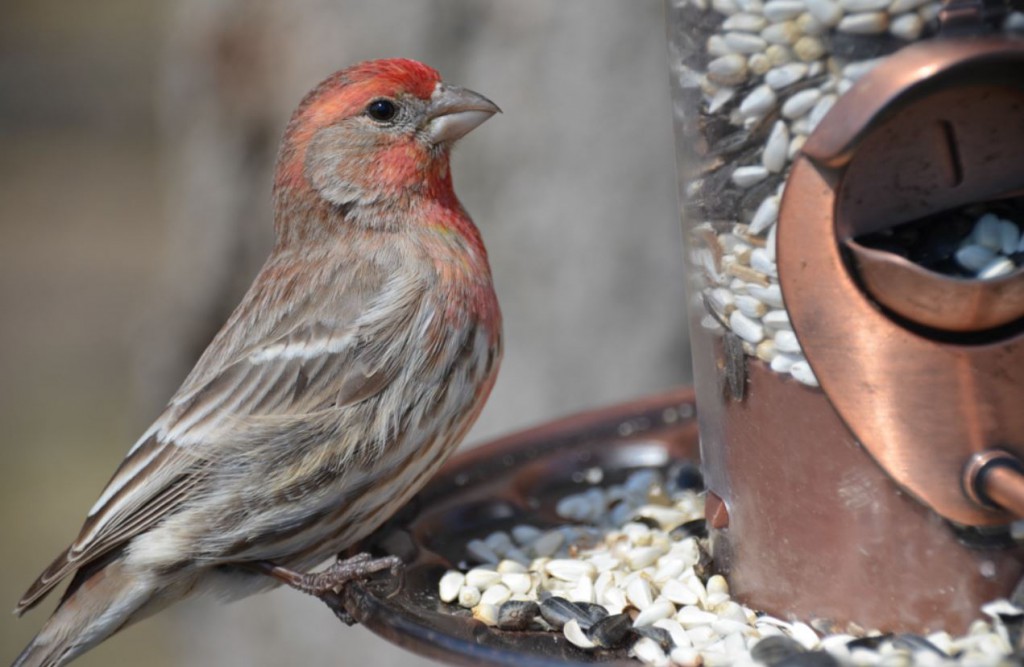 BlogNew research links House Finch behavior at feeders to the acquisition and spread of eye disease
What is the story? New research about feeder birds and House Finch eye disease (mycoplasmal conjunctivitis) reveals an interesting link between behavior and disease transmission. Previous evidence suggested that the bacterium was spread by birds that had the most social…
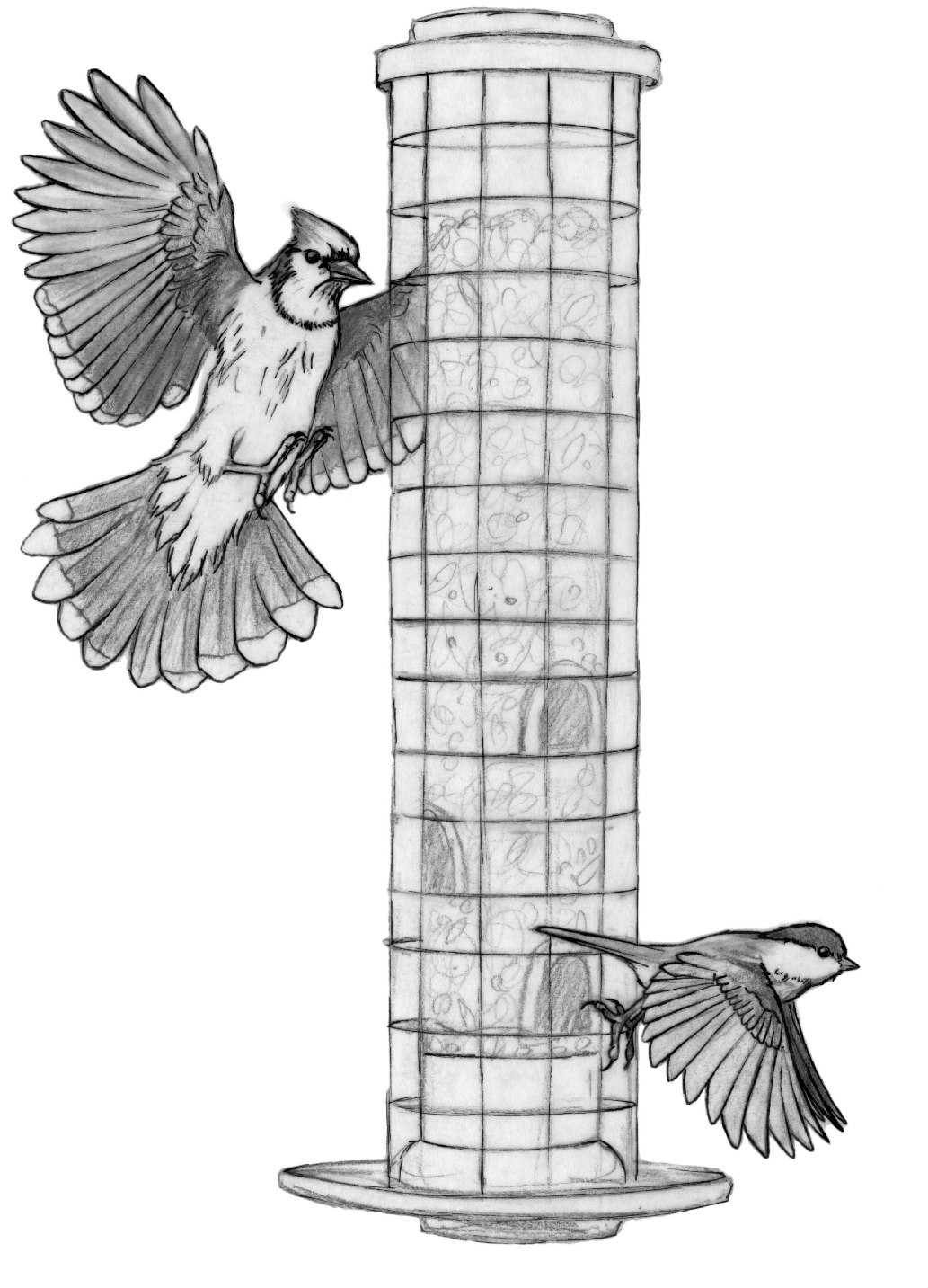 BlogTell us about bird behavior at your feeder
What sorts of behaviors do you see? Dominance interactions are playing out at your bird feeder, in the woods, in the field, and anywhere birds occur! Researcher Eliot Miller from the Cornell Lab of Ornithology wants to know about them….
 BlogInteraction project end-of-season summary
Thank you to Eliot Miller for this end-of-season summary about a new project investigating bird interactions at your feeders. And thank you to all FeederWatchers who sent in data! Read on to see how Eliot has put them to amazing…
 BlogThe impacts of supplemental feeding on bird populations
Highlights from a presentation by FeederWatch project leader, Emma Greig, at the North American Ornithological Conference 2016. She summarized research being conducted by her and by Cornell Lab Citizen Science director, David Bonter. Food is a major determinant of the…
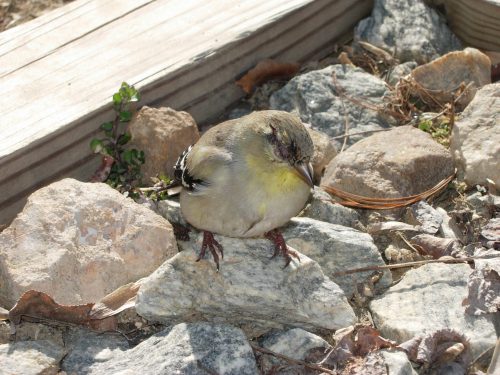 BlogEye disease in American Goldfinches
FeederWatch collected data on eye disease in American Goldfinches for many years and then stopped because the prevalence of disease in goldfinches was minimal. Last season a number of FeederWatchers wrote to tell us they were seeing an increase in…
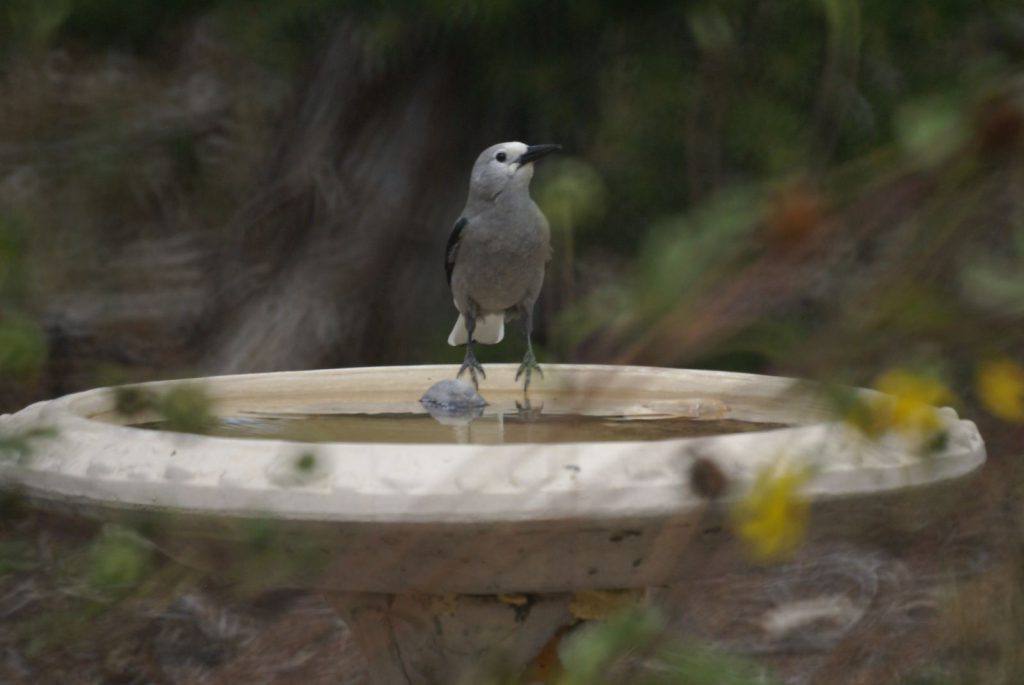 Blog10-year FeederWatch Lifetime Award
Congratulations to Diane Cherbak of Mancos, Colorado! Diane has been involved with FeederWatch for ten years; however, she began bird-watching many year ago. Diane lives in the Piñyon-Juniper woodland, which is home to a wonderful diversity of birds including this Clark’s Nutcracker that she photographed.
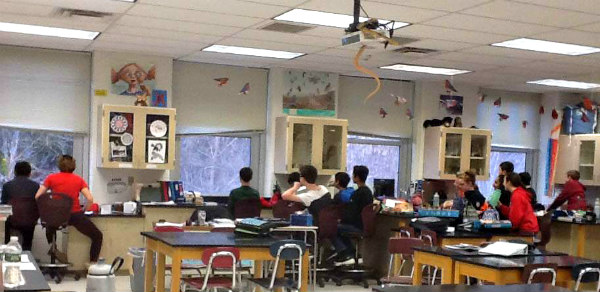 BlogInspiring story of FeederWatch in a classroom
At a time when technology inundates our lives, it can be difficult to connect with the natural world. Jennifer Ford, a teacher at Farnsworth Middle School in Guilderland, New York, has put FeederWatch to use in her classroom to do just that: connect students with nature and science in a very tangible way.
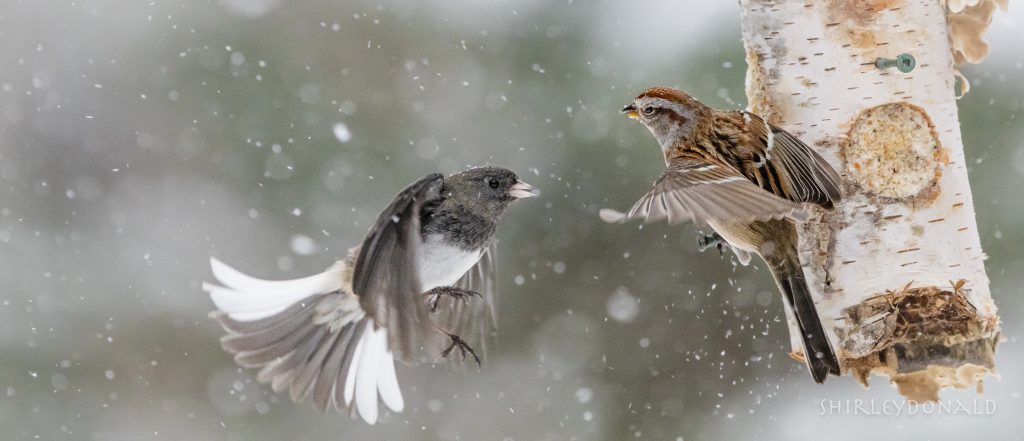 BlogWho is the toughest bird?
You may have an intuition about which species is the toughest bird at your feeder and which species is the most peaceful. Now you have the data to find out, thanks to Project FeederWatch participants collecting behavioral observations for the past two winters. Read our blog to learn who is the toughest bird (Hint: it’s not doves!).