

Our Blog
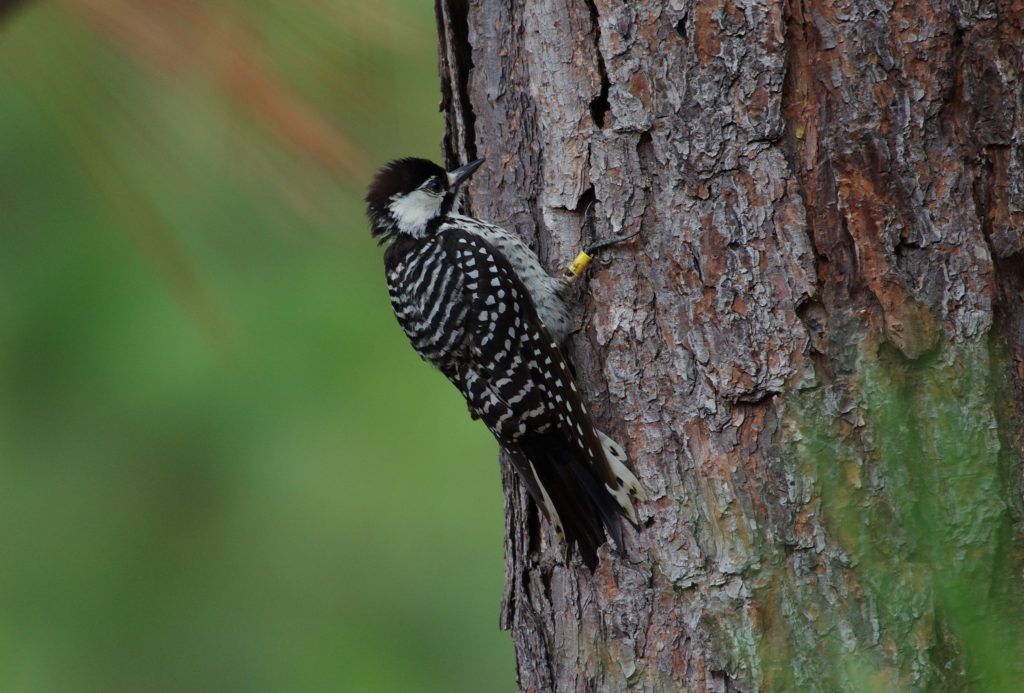 BlogRare Sighting: A Red-cockaded Woodpecker
It’s not often that FeederWatch participants report endangered species in their backyard. This past August, long-time FeederWatcher Chuck Gehringer spotted a Red-cockaded Woodpecker at his home in Pinehurst, North Carolina. These small birds are identified by a black-and-white striped back,…
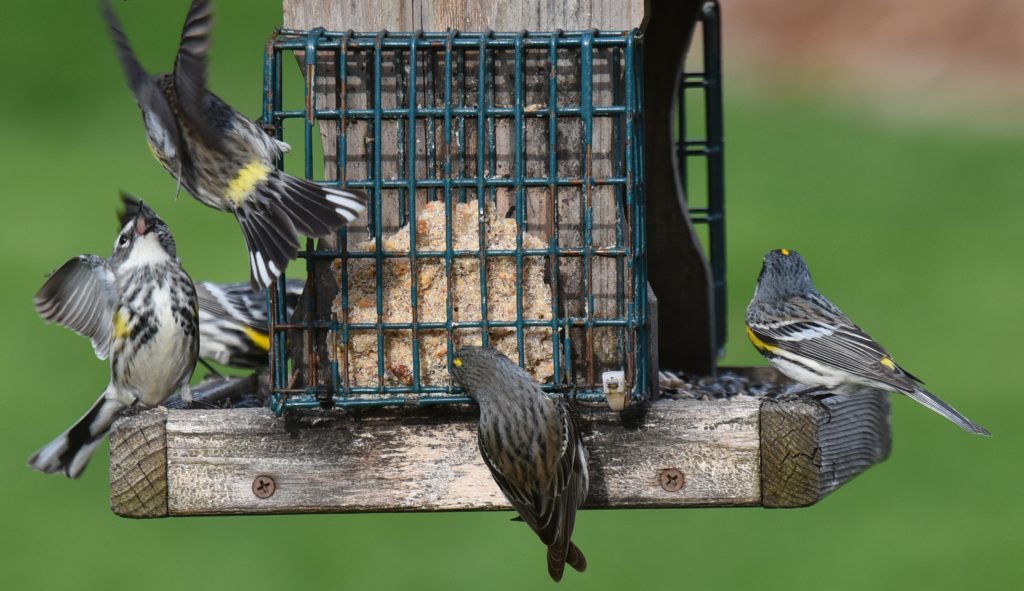 BlogPreventing disease: What’s the best way to clean your bird feeders?
Feeders can increase the risk of disease transmission in birds if they are not cleaned adequately. New research shows ideal cleaning methods to prevent the spread of disease among the feeder birds we love.
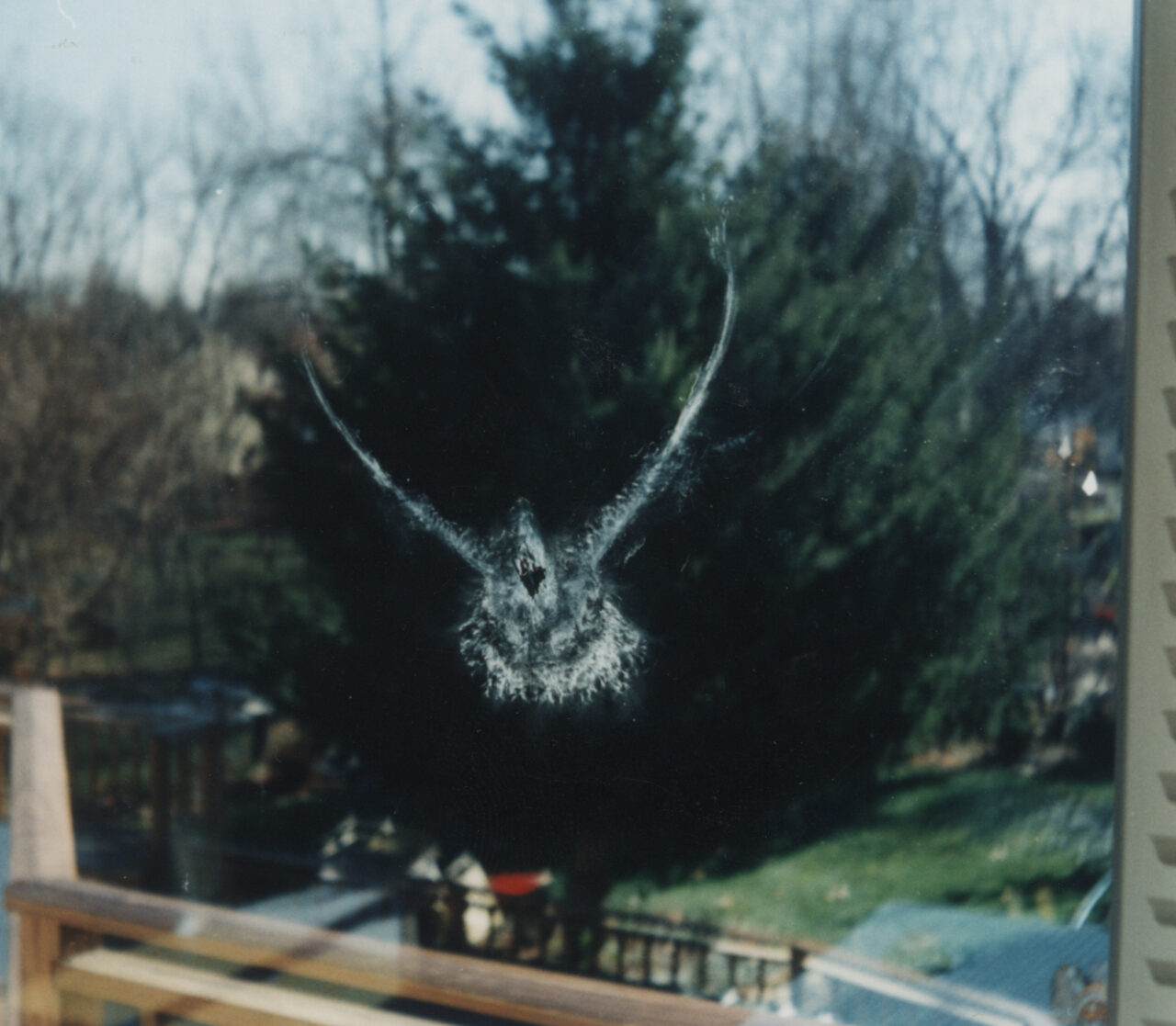 BlogPreventing Bird-Glass Collisions: One Staff Member’s Creative Approach
It is estimated that over 1 billion birds are killed each year due to window collisions. This devastating fact moved Dr. Mhairi McFarlane, Habitat Stewardship Manager at the Cornell Lab of Ornithology, to take matters into her own hands to…
 BlogNew Site List Feature
Project FeederWatch is delighted to announce the release of a new Site List feature. For each site, you can see which birds species you have reported, the percentage of your counts for that site that included each species, the percentage…
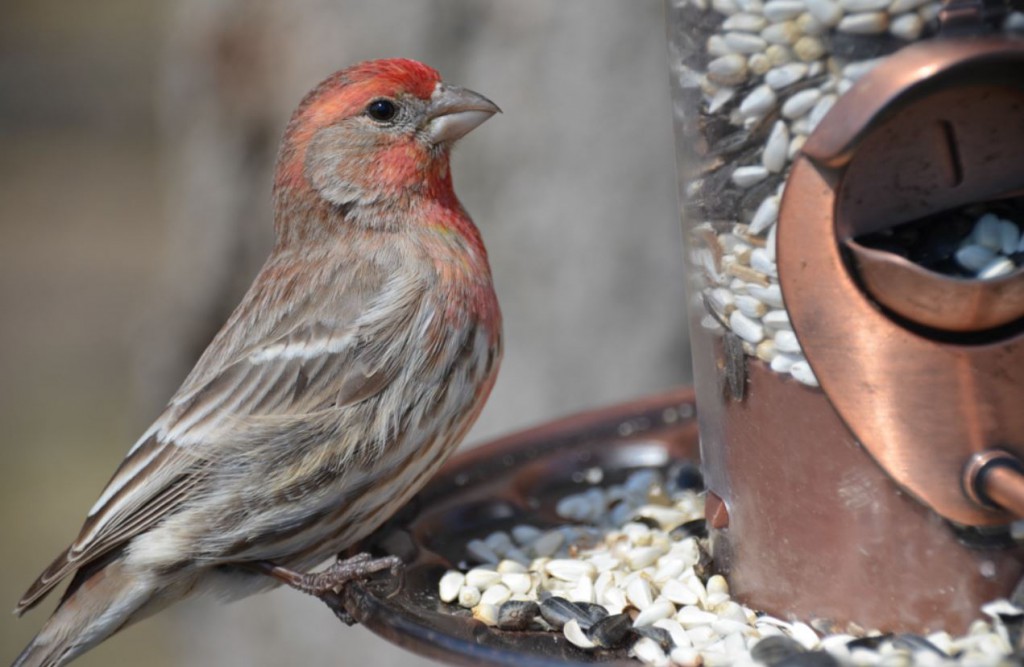 BlogNew research links House Finch behavior at feeders to the acquisition and spread of eye disease
What is the story? New research about feeder birds and House Finch eye disease (mycoplasmal conjunctivitis) reveals an interesting link between behavior and disease transmission. Previous evidence suggested that the bacterium was spread by birds that had the most social…
 BlogNew Data Entry Options: Record Mammals, Management Activities, and More
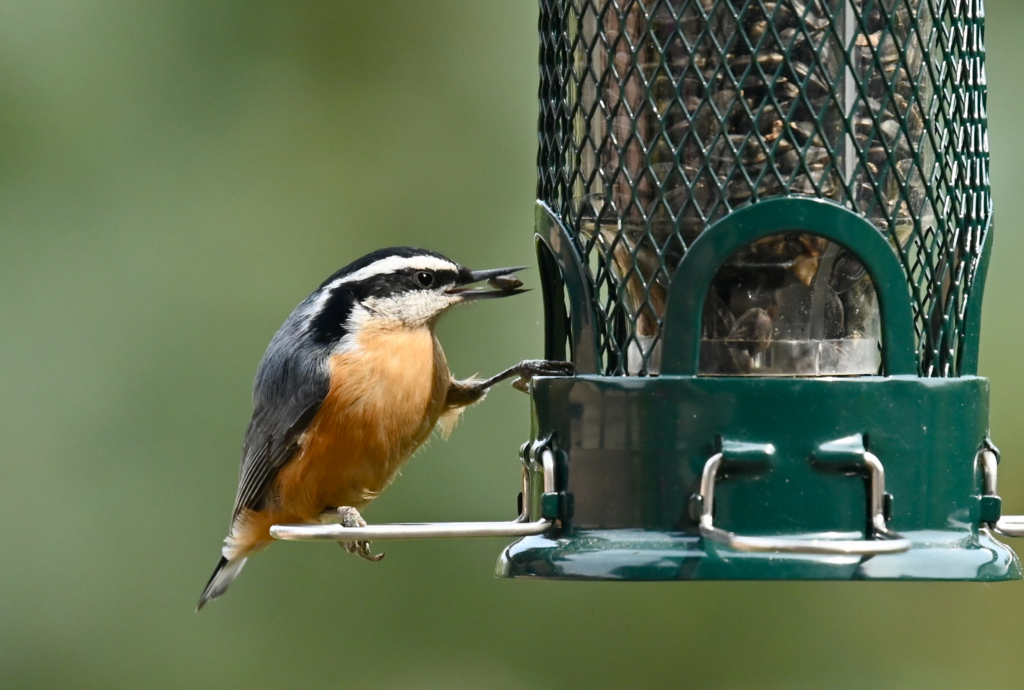
Project FeederWatch is delighted to announce that, thanks to grant funding, participants are now able to record several types of additional information with their regular bird counts. Along with different bird species you see and their behavioral interactions, you may…
 BlogMillions of FeederWatch observations now at your fingertips!
Where do all the cardinals live? Are Anna’s Hummingbirds expanding their winter range? What years have nuthatch irruptions? The new FeederWatch trend graphs are here to provide the answers in a colorful and fun way! Animated maps show changing “bubbles”…
 BlogMethods Behind the Madness: Why shouldn’t I start a count when I see an exciting species?
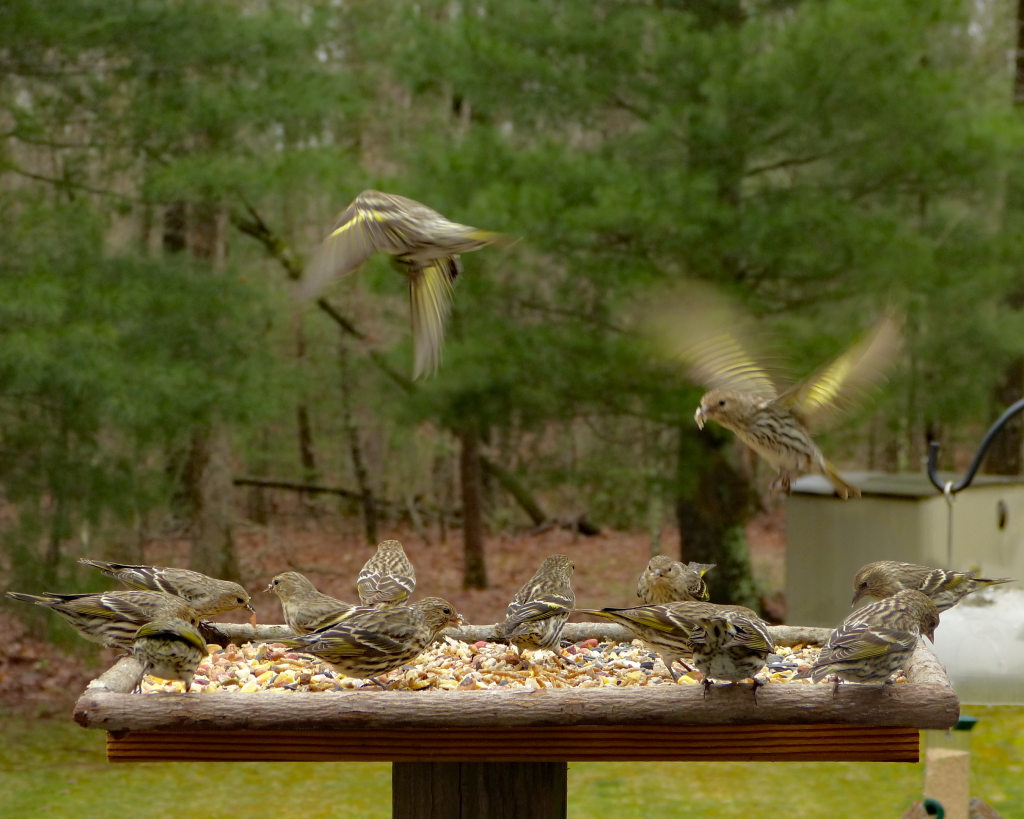
Why shouldn’t I start a count when I see an exciting species? If you see a new or uncommon bird species, it’s completely understandable to want to report it on a FeederWatch count. It’s great to notice rare birds, but reporting counts only when you see exciting species misrepresents the birds at your feeders and makes it seem as if rare species are more common than they really are.
 BlogMethods Behind the Madness: Why Only Count the Most Birds Seen at Once?
You’ve just sat down in your living room under a cozy blanket with a steaming mug of fresh coffee to begin your FeederWatch count. You watch for an hour as chickadees race back and forth to your feeder from deep…